Contents: |


Skeptical Guitarist Publications
Check out my reviews on Amazon
 |
Click on the book covers for AUDIO FILES,
|
Latest Publication
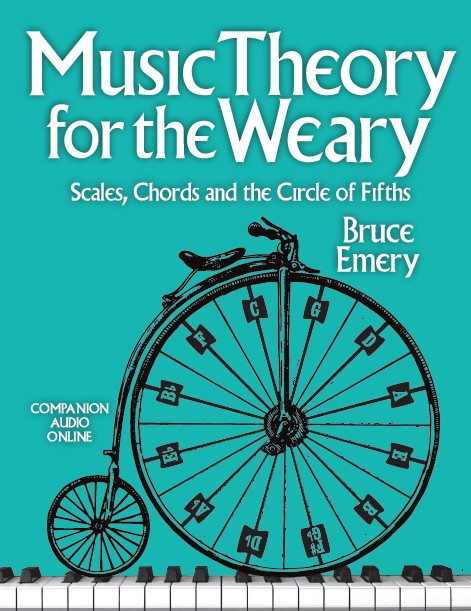 |
To the musician who is worn out from trying to learn basic music theory from bland,
unsympathetic instruction manuals and sketchy YouTube videos: Consider giving it one more
try. Music Theory for the Weary connects the dots from notes to scales to chords to the
Circle of Fifths with clarity, consistency and a cordial regard. You'll find no gaps in the
narrative, and you'll benefit from plenty of relevant examples and worthwhile exercises. In Standard Notation on the treble clef. |
 |
 |
 |
 |
 |
 |
 |
 |
 |
 |
 |
 |
 |
 |
 |
 |
 |
 |
 |
 |
 |
 |
 |
 |
 |
 |
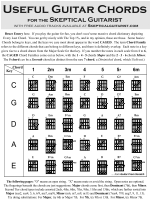
| Useful Guitar Chords |
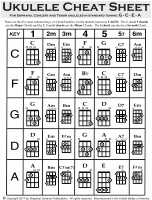
Ukulele Cheat Sheet |
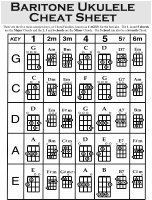
Baritone Uke Cheat Sheet |
|
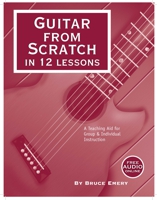
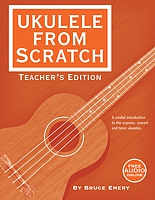
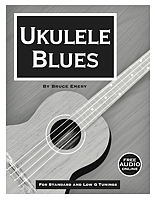
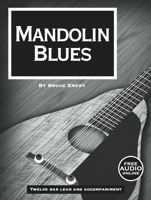
Welcome to the Skeptical Guitarist Publications Web Site. Bruce Emery here, Author and Publisher. Since 1997, I've been offering the most straightforward and friendliest instructional music books on the surface of the planet, starting things off with the guitar and moving on to ukulele, baritone uke, mandolin and electric bass. Just click on a cover image and you'll be shown to the individual page for the book of interest, which offers a brief description, table of contents, a downloadable zip file with audio tracks, and sample pages. There's a Testimonials page, which offers some very nice comments from readers about my teaching materials, and an Ordering page, which provides links to both online and brick-and-mortar music dealers where you can procure the goods. |
|
Here are five reasons to consider buying my books: (1) Continuity. I
offer a spoon-fed, step-by-step approach. There is a steady flow of
information, rather than the Hit-and-Run School of Thought. No gaps, no
loose spots, no quantum leaps. (2) Clear Page Layout. I’ve
tried to design each page to be inviting to the eye, not clogged with
information. Paragraphs are short and the margins are contoured so that
the eye is swept along from line to line. Thoughts and sentences never
spill over onto the next page. (3) Simple Notation. Instead
of relying on Standard Music Notation (the dots, beams and flags), I
prefer to emphasize the language of the fretted instrument itself, a
combination of Fretboard Diagrams and Tablature (Tab): simple pictures
of which strings to hold down at which frets with which fingers. (4) Friendly Exercises, Examples and
Diagrams. This is the heart of the matter. We learn best
by doing, so I’ve included straightforward educational activities along
with easy-to-read graphics. (5) Coil Binding. The
books lie flat when placed on a table or music stand---kind of
a big deal! In short, I’m not sure what I could do to make this material any clearer, more comprehensive or more fun to read. |